
Diving in Kaş: what makes it Türkiye's best dive town
Updated: 2026-07-31
Ask a Turkish diver where to dive and the answer is Kaş, usually without a pause. The reason is geography: the seabed falls away steeply within minutes of the harbour, the water is exceptionally clear, and thirty-odd sites sit inside a short boat ride of the same small town.
Why do divers rate Kaş so highly?
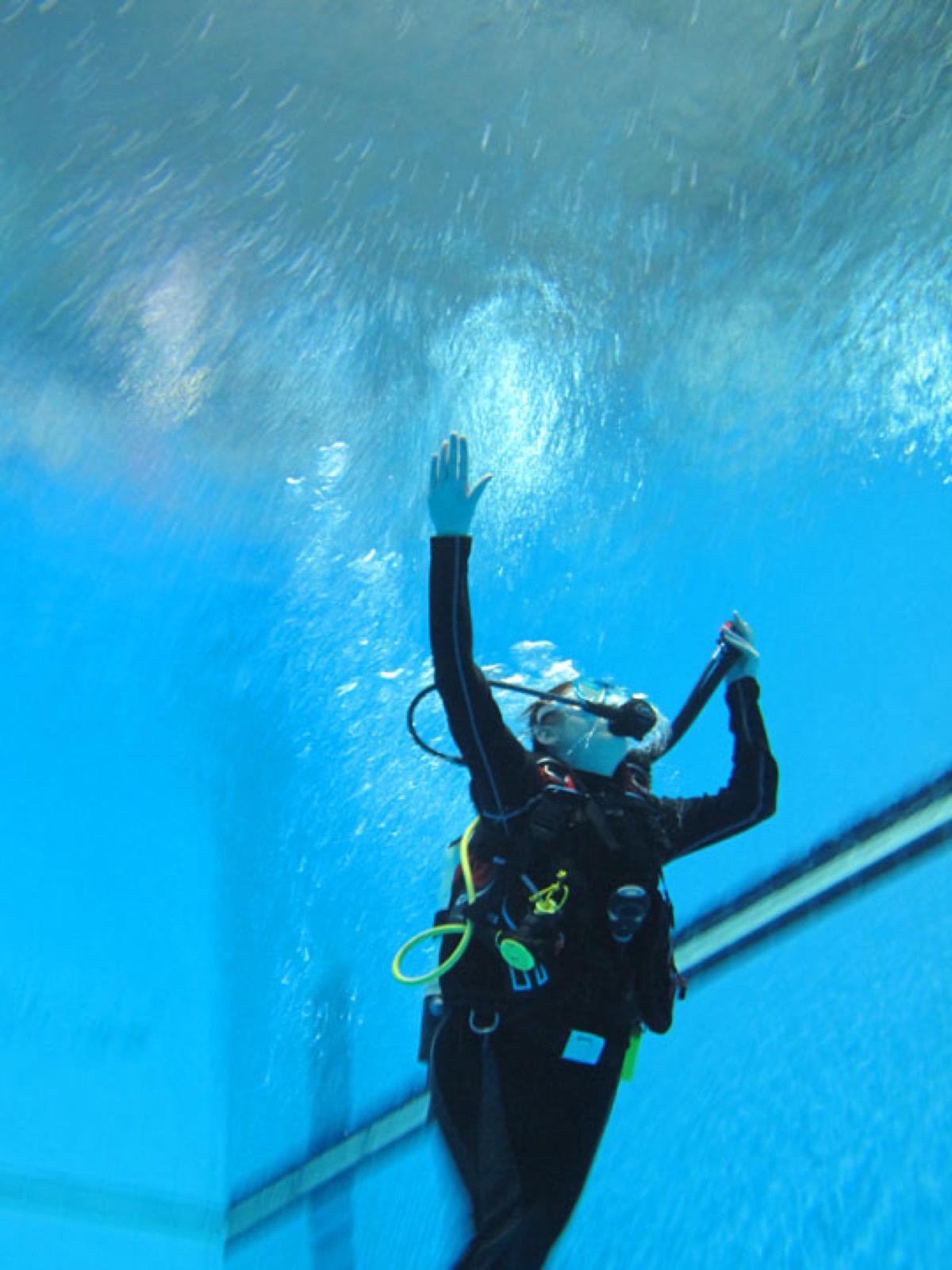
Three things stack up here. The topography is dramatic — walls, canyons and pinnacles rather than the gentle sandy slopes much of the Turkish coast offers. The visibility is consistently good, often in the 20–30 metre range and better in autumn. And the sites are close: most are ten to thirty minutes from the harbour, so a two-dive morning really is a morning rather than a whole day.
It is also a town that dives all year. That sounds like trivia, but it means the centres are run by people who do this as a profession rather than a summer job, and the standard shows.
What are the best-known sites?
The deliberately sunk DC-3 Dakota is the signature dive: an intact aircraft on the seabed at recreational depth, put there in 2009 as an artificial reef and well colonised since. It is the site people book Kaş for.
Uluburun carries the history. This is the cape where the Bronze Age shipwreck was found in the 1980s, one of the most important underwater archaeological discoveries ever made. The cargo is in Bodrum now, but diving the cape where it lay for three thousand years is its own kind of pleasure.
Beyond those, the canyons and walls around the peninsula and the reefs off Besmi island give you the drop-offs and swim-throughs. There are more than thirty mapped sites here; a week does not exhaust them.
Can you dive without a certification?
Yes. A try dive — Discover Scuba Diving in PADI's wording — takes uncertified beginners to shallow depth with an instructor within arm's reach, after a briefing and a few skills in shallow water. No experience is needed and it takes half a day.
If you would rather leave with a qualification than a memory, the entry-level open water course runs three to four days and certifies you to dive with a buddy afterwards. Kaş is a good place to do it: sheltered training bays, clear water, and instructors who teach year-round rather than for ten weeks.
You need to be able to swim, be in reasonable health, and declare any relevant medical conditions honestly. Asthma, heart conditions, recent surgery and certain medications need a doctor's sign-off. Do not wave that form through — it exists for you.
When is the diving season?
Roughly April to November for most visitors, with September and October the best of it: the water still holds its summer warmth, the summer boat traffic has gone and visibility peaks. August gives you the warmest water, around 27–28°C, and the busiest sites.
Winter diving carries on with a proper suit, and the water bottoms out somewhere around 16–17°C. It is colder, quieter and often clearer than anything summer offers.
What does it cost?
Prices move with the season and with what is included, so treat any figure as a band rather than a quote. Broadly: a try dive is the cheapest way into the water and sits in the same region as a shared boat trip; a two-dive day for certified divers is comparable; the entry-level certification course costs several times either, because it is three or four days of instruction plus materials and certification fees.
What differs between two quotes is usually equipment hire, whether the second dive is included, and lunch on the boat. Establish what the number covers before you compare it with another. Confirm current prices with the centre directly — season and exchange rate both move here.
How do you choose a dive centre?
Look for a recognised international affiliation, instructors who dive here year-round, small group ratios, and equipment that is serviced rather than merely present. Ask how many divers per guide, and what the plan is if conditions change.
Then ask the question people forget: which sites, at what depth, and matched to whose experience? A good centre asks about your logbook before it sells you a dive. One that does not is selling seats on a boat.
Questions people actually ask
Can you dive at the Kekova Sunken City?
No. The sunken ruins are a first-degree protected archaeological site and diving over them is banned. Kaş's dive sites are a separate set of reefs, walls and wrecks around its own peninsula.
Do you need a licence to dive in Kaş?
Not for a try dive with an instructor. You do need certification for a standard two-dive boat trip — or you can take the entry-level course here in three to four days.
What is the water temperature for diving?
Around 27–28°C at the August peak, still 23–24°C in October, and roughly 16–17°C at the coldest point of winter. Centres provide suits appropriate to the season.
How good is the visibility?
Typically 20–30 metres, and often better in September and October once the summer traffic has cleared.
Is Kaş suitable for beginners?
Very. There are sheltered shallow bays for training and plenty of sites in the 10–20 metre range, alongside the deeper walls that keep experienced divers coming back.
Can you dive in winter?
Yes. Centres operate year-round with thicker suits, and winter often brings the clearest water of the year with almost nobody else in it.